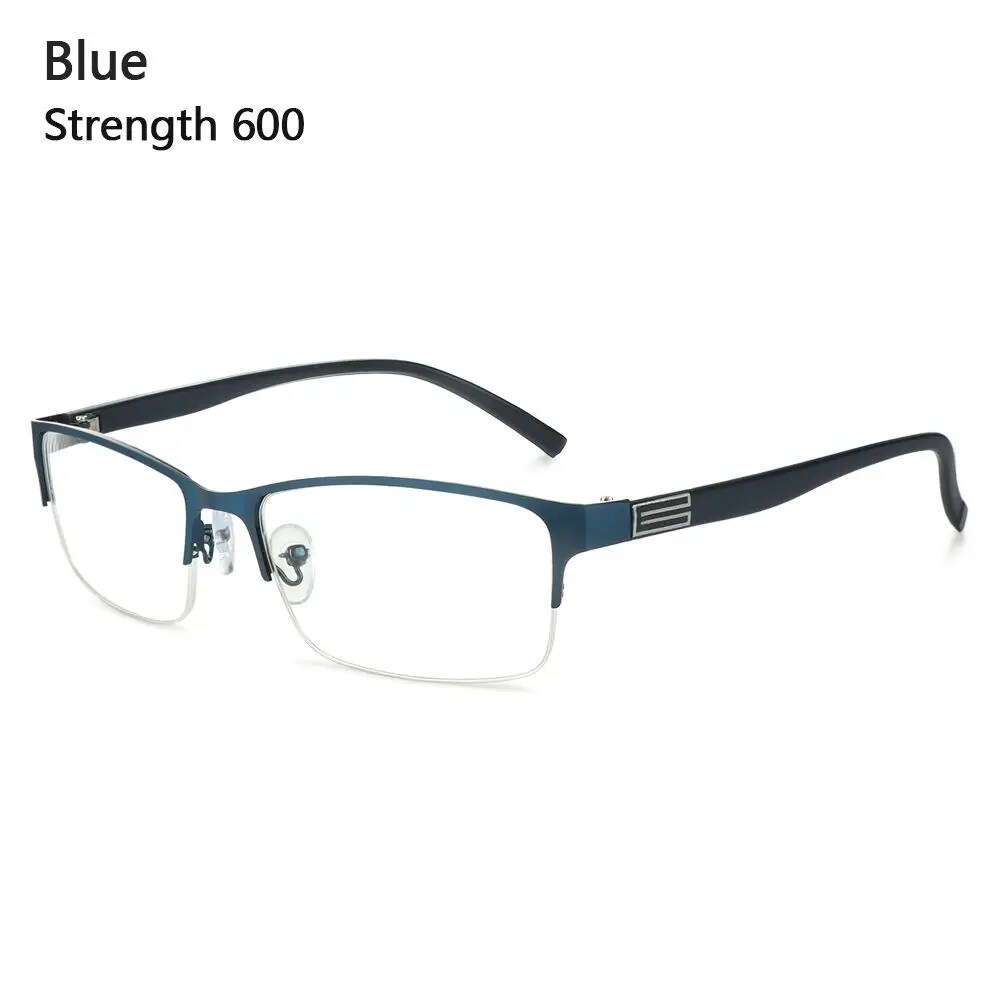
We all make poor decisions from time to time. For years, mine revolved around eyeglasses. I chased after deals, purchased frames that looked decent online, and convinced myself I was saving money. In reality, I ended up spending far more. The cumulative cost of neurolens glasses over the years was staggering. I wasted hundreds, possibly even a thousand dollars, on glasses that simply didn't work. They broke easily, felt uncomfortable, and never provided quite the right vision. Countless hours were lost shopping, returning items, and dealing with frustration—a relentless cycle of disappointment.
Don't repeat my mistakes. Learn from my experience. Here are the key lessons I discovered:
I lost count of how many glasses I bought that fell apart far too quickly. I'd spot an offer with a seemingly low neurolens glasses cost and think it was a steal. Yet, within just a few weeks or months, the frames would snap, screws would loosen, and lenses would scratch despite careful cleaning. It was a constant headache, forcing me to buy replacements again and again. That initial "savings" actually translated to a much higher long-term expense. My so-called cheap glasses ultimately cost me more than a single pair of high-quality ones would have.
I recall one pair in particular. They looked stylish in the photos and the price was incredibly low. I thought, "Why not give them a try?" But the plastic felt flimsy, and the hinges were loose from the very first day. They barely lasted two months before an arm snapped off as I removed them from the case. Suddenly, I was without glasses and scrambling to find a new pair. It was incredibly frustrating and a total waste of my hard-earned money.
Verdict: Always prioritize quality over price alone. An unusually low price often signals poor quality and short lifespan.
Many companies make grand promises, claiming their glasses are exceptionally durable or offer the clearest vision possible. I fell for these claims more than once. The product photos looked fantastic, and the descriptions emphasized comfort and style. However, when the glasses arrived, they were nothing like advertised. The frames felt cheap, the lenses caused eye strain, and despite promises of an "ultra-light" design, they felt heavy and left marks on my nose.
On one occasion, I ordered a pair advertised to reduce digital eye strain. As someone who spends long hours in front of a computer, this sounded ideal. The ad depicted someone working comfortably and looking completely relaxed. When I tried them, my eyes felt worse after just an hour. The tint was off, and they provided no real benefit. It was all marketing hype. I had wasted money believing a claim that wasn't true, adding to the overall neurolens glasses cost when you factor in wasted time and effort.
Verdict: Don't take advertisements at face value. Seek genuine proof through customer photos and honest reviews.
My greatest regret was failing to do proper research. I often bought glasses on impulse, seeing a style I liked and clicking "buy" without a second thought. I rarely checked customer reviews, compared brands, or even considered frame materials. I didn't think about how the frame shape would actually suit my face, leading to numerous purchases that were uncomfortable or ill-fitting.
I tended to choose the first pair that seemed acceptable. I didn't compare features, lens sizes, or frame materials—I just wanted new glasses quickly. This haste resulted in poor decisions. I ended up with glasses that slid down my nose, pinched behind my ears, or provided blurry vision due to inferior lens quality. All these issues contributed to a higher effective neurolens glasses cost because I had to replace them so frequently. I should have taken my time.
Verdict: Always conduct thorough research. Explore multiple options, read reviews, and compare features before making any purchase.